Ptarmigan operated in Tallinn from 2011-2014. We no longer maintain any presence in Tallinn, but this website will continue to serve as an archive of the activities produced at Ptarmigan during these years.
Ptarmigan events are available on a Google Calendar: (xml) (ical) (html)
There are currently no events scheduled. Please check back in the future, or follow us on Twitter, Facebook or RSS.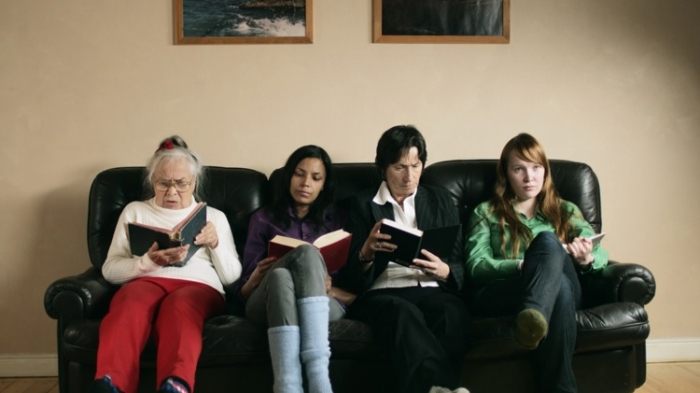
How should one live this life? is a social gathering organized by Jaana Kokko. During this event there will be introductions of artistic strategies by Jaana Kokko and three invited guests: Mai Sööt & Eva Labotkin (Estonia) and Leena Pukki (Finland). The public is most welcome to perform or reflect on his or her own strategy. Food will be served.
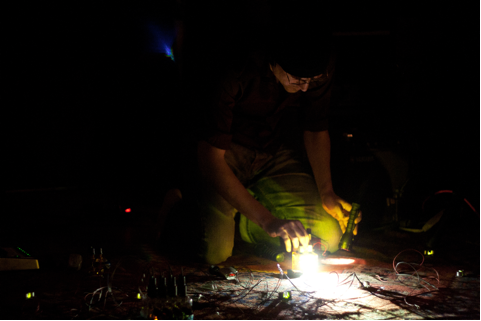
In the words of Marko: "I am currently staying as an artist in residence at Ptarmigan. This is also my first stay in Tallinn. During this residency I aim to explore how poetry, sound art and technology can be intertwined and try to liberate myself from my own work routine. I strive to do this without any time pressure or precise goal. Like as if I had all the time in the world I want to read, write, compose, programme, listen to previously unknown music and explore Tallinn by regularly losing myself walking erratically through the city. This approach is similar to the growth process of a plant: it starts from a very small seed, cannot be rushed, has to be nurtured and needs its time, but when all the ingredients and the environment are right, it will grow and eventually blossom. If we'd rush its process of growing too much, it might very easily die.
During the Work(s) in progress event I will present the outcome of my period of residence.
I hope that this occasion might serve as a source of inspiration, exchange of ideas and cause for vivid discussions."
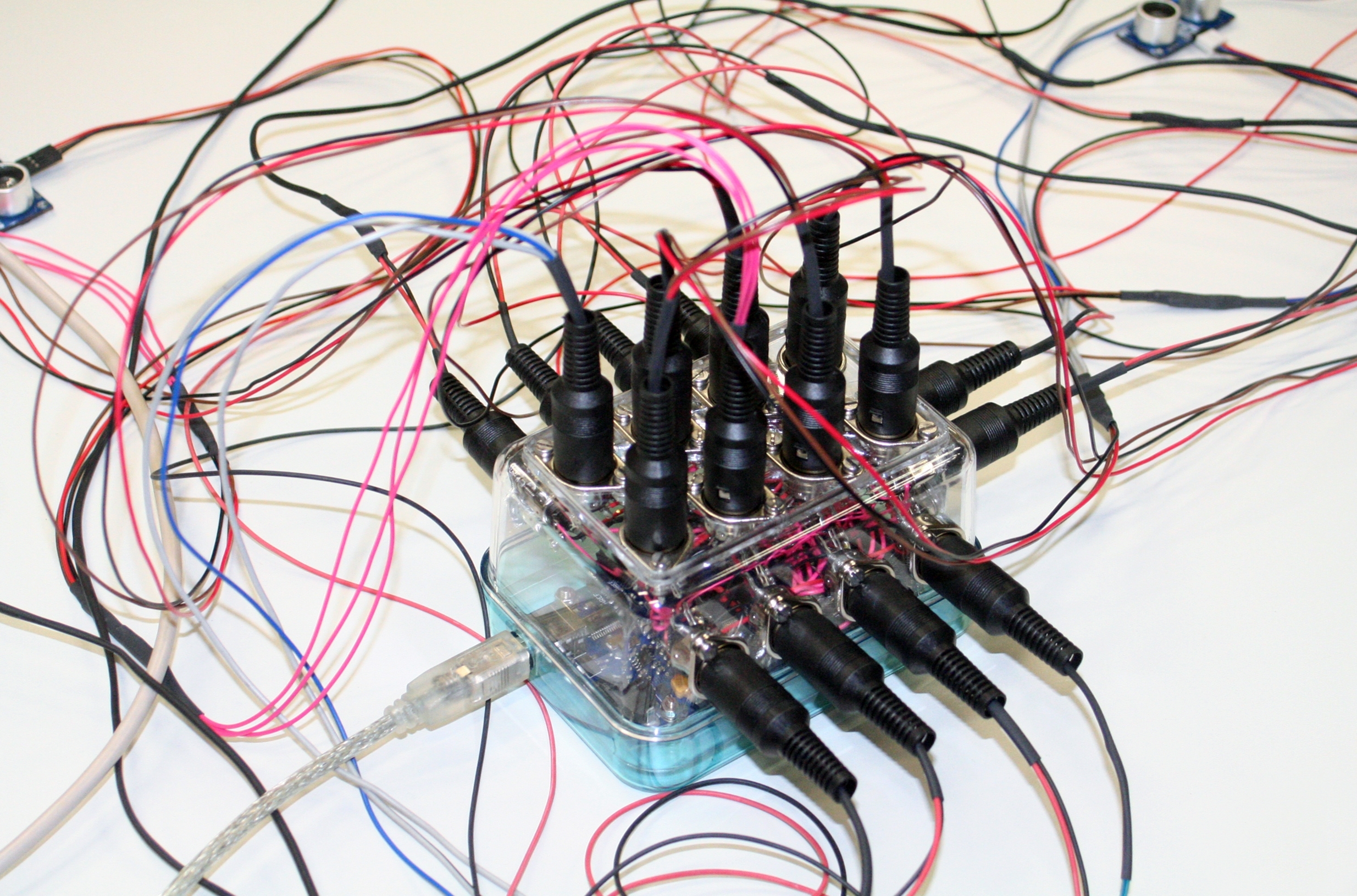
Sensors allow us to connect the physical world with the world of the machines. During this full-day workshop, participants will get to know the fundamental principles of interactive, sensor-based music systems that can be used for sound installations, live-performances and improvisation.
Topics covered during that workshop:
Technology used amongst others: Ultrasonic sensors, infrared sensor, light sensors, arduino, Max/MSP
Participants are encouraged to bring their own laptops and arduino boards, if available.
Marko Timlin is a Finnish sound artist, musician and composer. His musical career began in the early 1990s, in London, before his subsequent move to former East Berlin, where he became part of the alternative electronic music scene there. In Berlin, he worked together with groups such as "Laub", "rope" and the "17 Hippies", and founded the band "tritop", one of Germany’s first live drum 'n' bass-bands.
Today, he develops his own electronic and digital musical instruments which he plays regularly at concerts. In addition to his concert activities, he designs sound installations, composes computer, theater and dance music, and holds workshops and seminars in colleges and universities.
In recent years he has been teaching at the Music University Trossingen, DE, Sibelius Academy, FI, New York University, USA, and the Royal Conservatory “Victoria Eugenia” Granada, ES.
Further information at: www.timlin.de
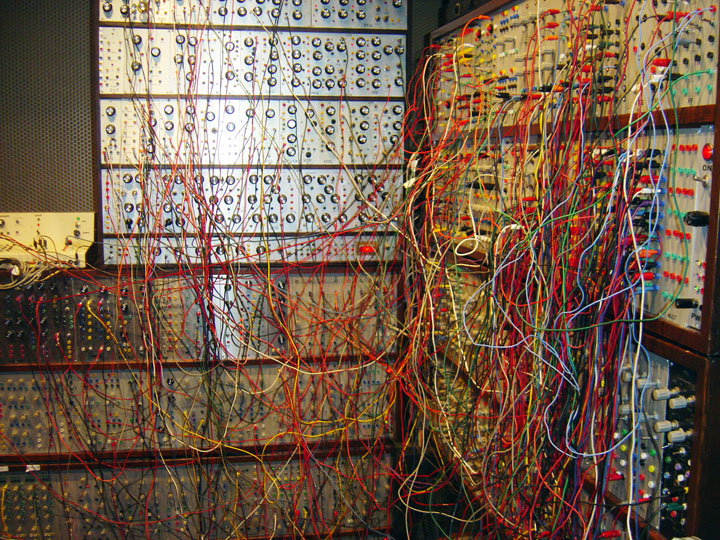
Pasta Modulare is the first modular synthesizer meet-up in Tallinn, for modular synthesizer enthusaists and hackers. At this event you can show off your projects, explore what others are doing, and meet others in the modular synth scene.
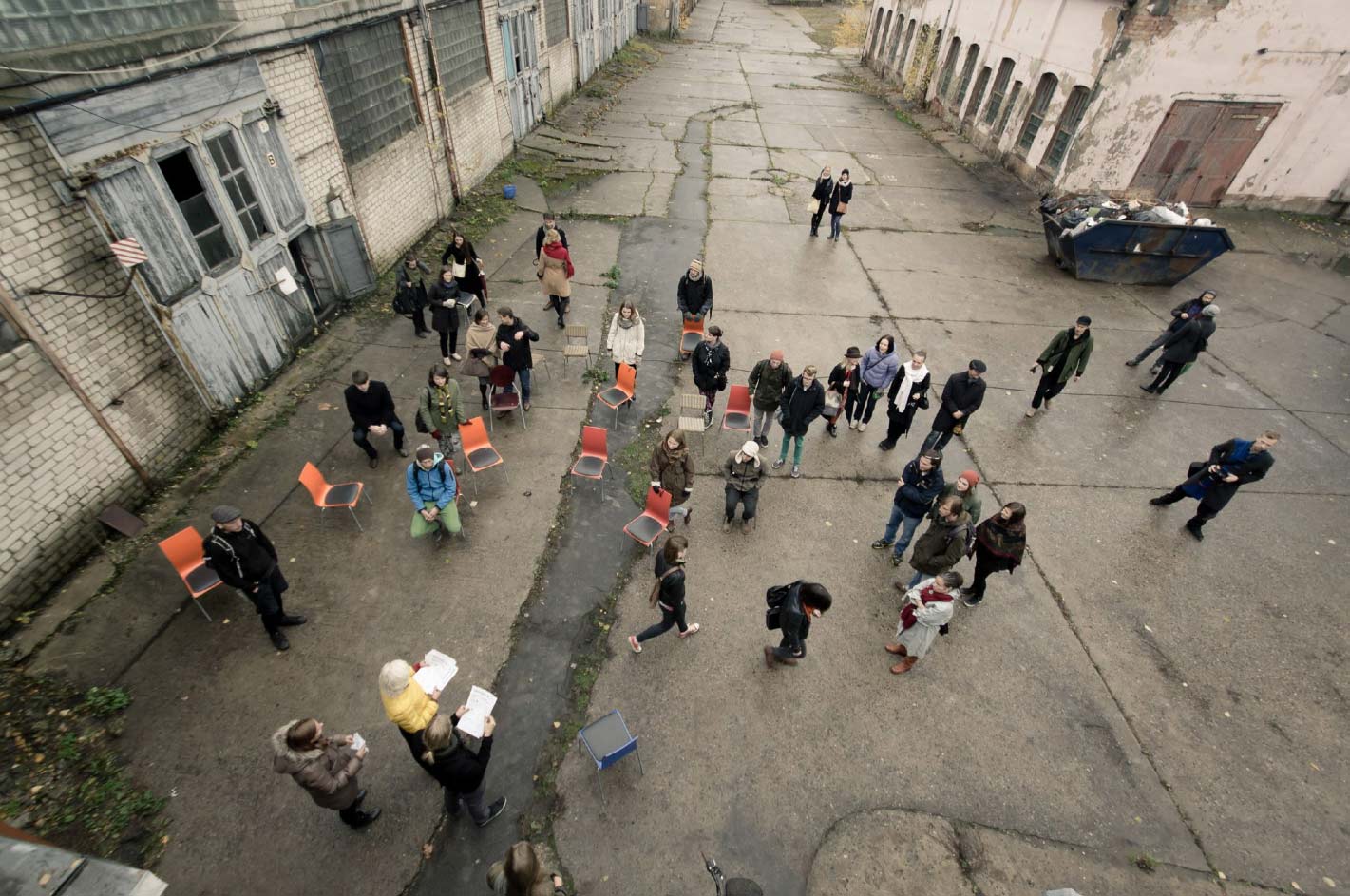
Kompass is a gathering of organisers, artists, urbanists and active cultural instigators, held in Tallinn, Estonia on 21-22 August 2014. Kompass is a joint initiative of Totaldobze Art Centre in Riga and Ptarmigan in Tallinn, and seeks to connect Latvian and Estonian minds to address issues of collaboration activities while developing public space and non-governmental culture.
The goal of Kompass is action and understanding. The event will feature presentations and a panel discussion from prominent actors in both Riga and Tallinn’s scenes, an un-conference in the “bar camp” format, and a series of instant workshops to address topics raised during the event.
Kompass is open for anyone to participate! We will build the event around our personal interactions and sharing our ideas, dreams and strategies. The outcome of Kompass will be future cooperation and collaboration, created by the exchanges which occur.
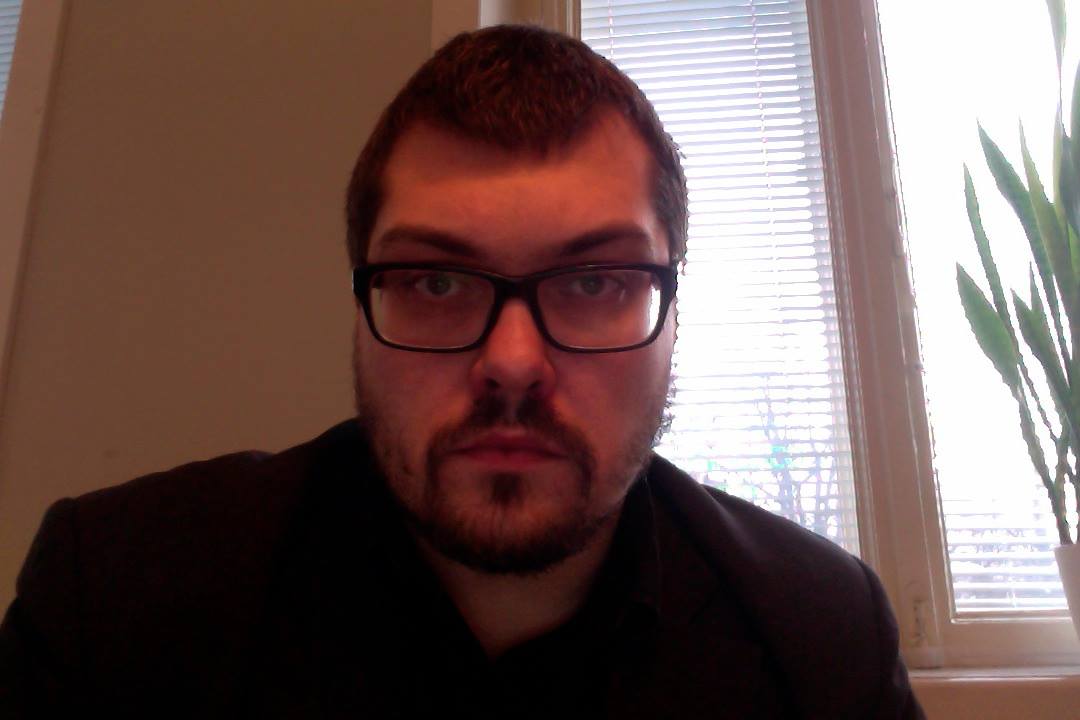
Opening Operations is a monthly series in 2014 that investigates the practical methods through which culture is produced.
Each month, a representative from a different Estonian culture organisation will present their activities as well as their operating budget and finances. The speaker will discuss a challenge or problem unique to their organisation, and the presentation will be followed by a group discussion. The goal is to share methodologies, open dialogues, and research creative alternatives to real-world problems involving money, labour, and collaboration. This project also seeks to democratise and demystify the act of "organising", proceeding from the belief that there is no right or wrong way to do things, and that different approaches breed more exciting and dynamic cultural forms.
This month's speaker is Anders Härm. Anders (born 1977) studied Art History and Theory at the Institute of Art History at the Estonian Academy of Arts (EAA) from 1995-2003. Since 2010 he is active as a program director of the Museum of Contemporary Art of Estonia (EKKM). In the years 2002-2012 he worked as a curator at the Kunsthalle Tallinn. He recently (Oct. – Dec, 2013) curated “Estonian Dream. Festival of Contemporary Art” in Stavanger, Norway consisting of four separate exhibitions at different institutions, from film screening and extra events. His most recent curatorial projects include solo exhibitions by Mark Raidpere (2013 at the EKKM) and Kristina Norman (2010 at the Kunsthalle Tallinn). He has also curated group exhibitions and special projects like “Collection of Desires” (2012) and “Darkness, Dark” (2011) and “Next to Nothing”( 2010) at the EKKM as well as “Untold Stories” (2011) and “Blue Collar Blues” (2009/2010) at the Kunsthalle Tallinn. He curated Estonian National Pavilions of the Venice Biennale at the Architecture Exhibition in 2000 and at the Art Exhibition in 2003. He was one of the artistic directors (together with Priit Raud) of the biannual NU Performance Festival (2005-2011). He was establishing member of the board of EKKM (Museum of Contemporary Art Estonia) In 2009 he published collection of essays and other texts under the title “Diary of a Semiounat. Texts from1999-2008”. He has been lecturing at the Estonian Academy of Arts since the year 2000; since 2006 he curates there a program “Questions of Contemporary Art”. He has also staged three solo lecture-performances and worked as a dramaturge with some contemporary dance performances in Estonia.
Light snacks and refreshments will be served, and the discussion will be recorded and released afterwards online in podcast form.
Avatud Toimingud/Opening Operations is a project of Migrating Art Academies and is supported by the Estonian Ministry of Culture.
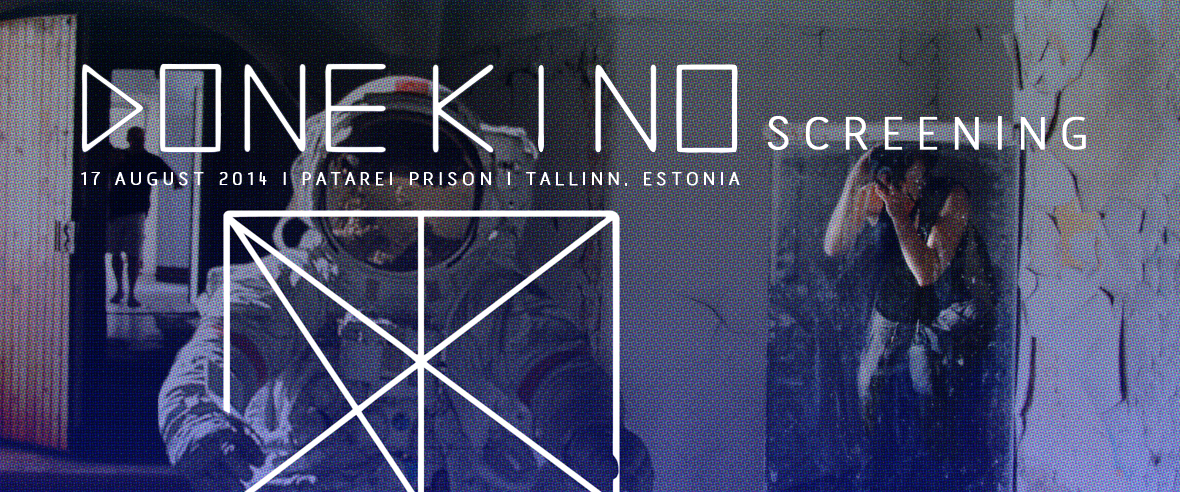
Done Kino, a part of international Kino Movement, presents the screening of short films created during 48 hours of collaborative film making improvisation in Patarei Prison. Free entrance. Come and see!
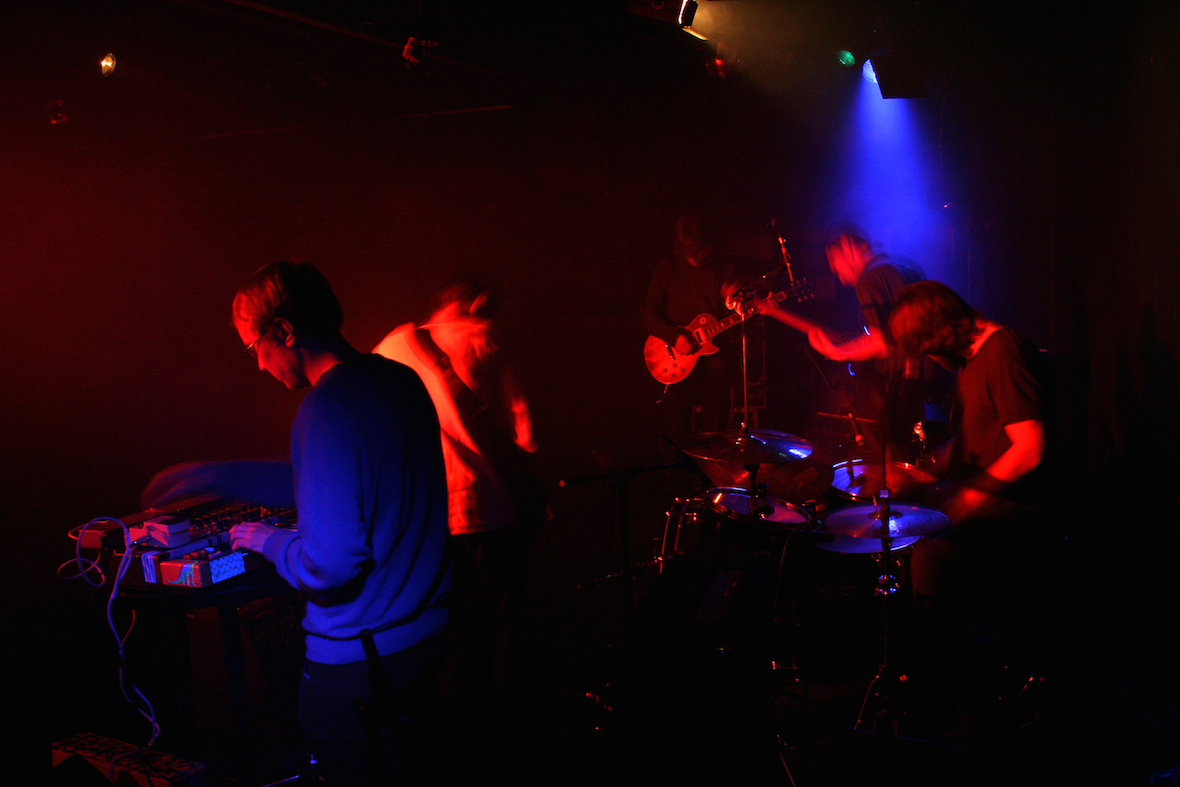
Avarus!
Longtime Ptarmigan friends Avarus, formed in Tampere (Finland) in 2001, finally visit our Tallinn side for a mini-festival of their expanded universe: Avarus themselves and their various side projects and off-shoots, all melting into electronic and acoustic weirdness.
Featuring live musical acts:
Avarus (Lars Mattila, Roope Eronen, Jukka Räisänen, Tero Niskanen, Arttu Partinen)
Jukat (Tero Niskanen + Jukka Räisänen)
Kemmer (Lars Mattila)
Nuslux (Roope Eronen)
Arttu Partinen (Arttu Partinen)
+ Tallinn/Helsinki upstarts Third Approach (Kimmo Modig, Ted Parker, John W. Fail, Kaarel Künnap, Tuomas A. Laitinen)
and also a disco of some sort!
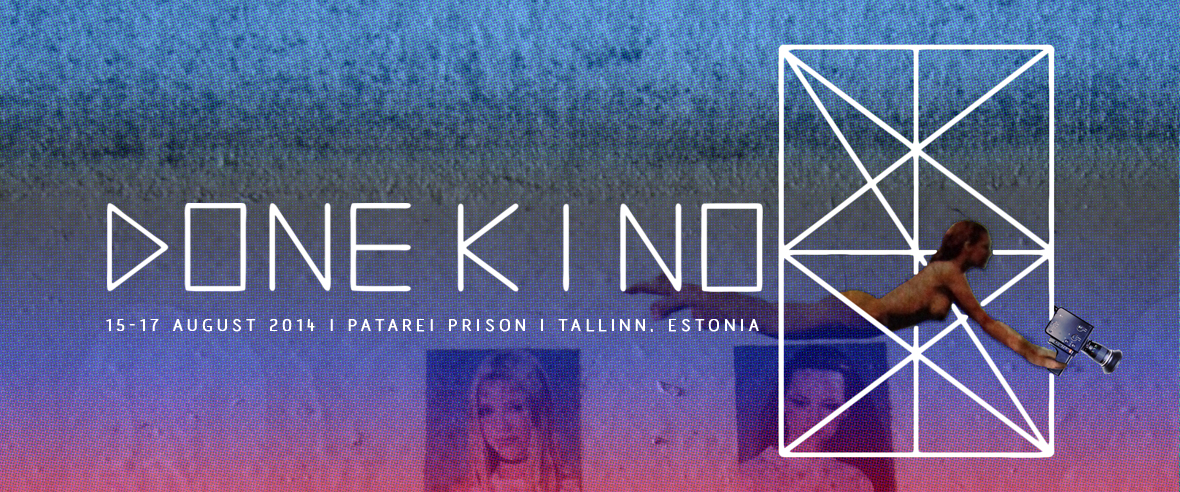
If you are interested to shoot short films in Tallinn's Patarei Prison and experience an experimental version of collaborative cinematic improvisation event called Kino Kabaret, you should participate in the weekend Done Kino on 15 -17 August 2014.
Done Kino is the first Kino Kabaret cell in Estonia established in 2013. Unlike other Kino events, each year it tackles a different topic, although the same principle: to dig up forgotten and pushed out of the consciousness by ignorance, laziness, procrastination, or fear, issues, and in its holly awkwardness, expose and transform them into the starting point for much more exciting scenarios.
Its second edition takes place at Patarei which from 1840 served many functions in changeable historical times (sea-fortress, military barracks, Soviet and Estonian prison, dark tourism venue), reflecting the long and complex relationships between Estonia and Russia at different stages in their histories. Done Kino 2014 wants to add one more episode to this historical fate: collaboration between Estonian, Russian, and foreign filmmakers.
In order to participate all you have to do is:
1) Right now: check http://donekino.ptarmigan.ee/ to assure that it's all real.
2) Till 14 August 2014: register your participation in the form below. Don't forget to mention what is your preffered function, possible filmmaking equipment and availability.
3) On 15 August 14:00: come for the pitching meeting at Patarei where ideas for the film are presented and filming crews are created. BYOI (bring your own idea) or/and BYOD (bring your own device needed for shooting: camera, tripod, editing laptop, sound recorder, whatever). Wear not too fancy and rather warm clothes. If you are allergic to moist and fungus don't come or take your pills.
4) 15 August 15:00 – 17 August 15:00: shoot, edit, export short films. In Patarei and wherever. Participate. Collaborate.
5) 17 August 16:00: watch all short films created in the last 48 hours. The screening takes place in one of the Patarei halls.
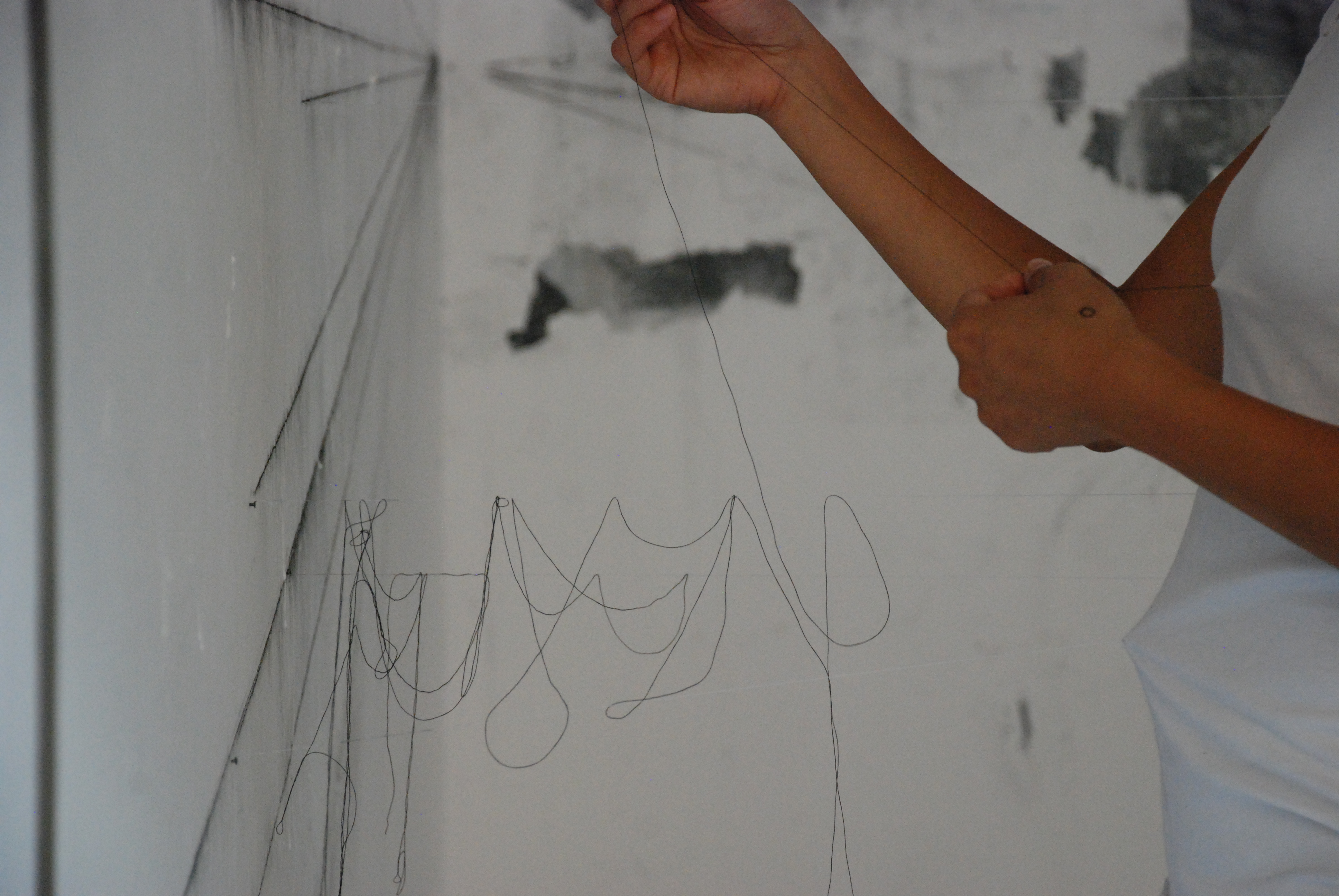
A public performance showcasing the output from the sense and experience workshop, led by Jasmin Schaitl and William "Bilwa" Costa. This performance is free and starts at 19:00!
If you would like to participate in the workshop (and henceforth, this performance), please register here.
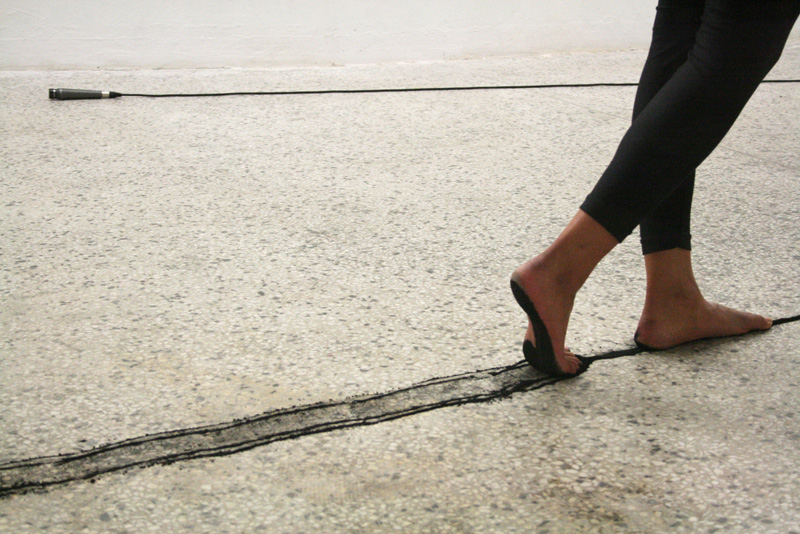
sense and experience is a workshop for artists of all levels, professional and university, and disciplines including: performance art, movement, dance, improvisation, sound, and visual arts; who are interested in exploring solo and collaborative practices. This workshop proposes different approaches to body perceptions and relationships. Participants will explore their individual potential through various techniques of sensory perception, including heightening and omitting senses. We will experiment with improvisation and assessment of/response to; time, space, sound and their correlation with the human senses.The goal of this workshop is to expand personal performance/artistic palettes and working methods.
sense and experience is based on the combined practices of Bilwa (a sound and movement artist originally from US) and Jasmin (a live action-based artist from Vienna), both coming from visual art backgrounds. Their collaboration explores the potentials and correlation of transformation, alteration, duration and ephemerality; and incorporates movement, sound, action, materials, objects, the body, improvisation, and composition. They have performed and/or led workshops in Vienna, Berlin, Tallinn, Oslo, Helsinki, and Istanbul.
schedule for each day:
What to bring/wear:
This workshop is supported by Bundeskanzleramt Österreich and the Austrian Embassy Tallinn.
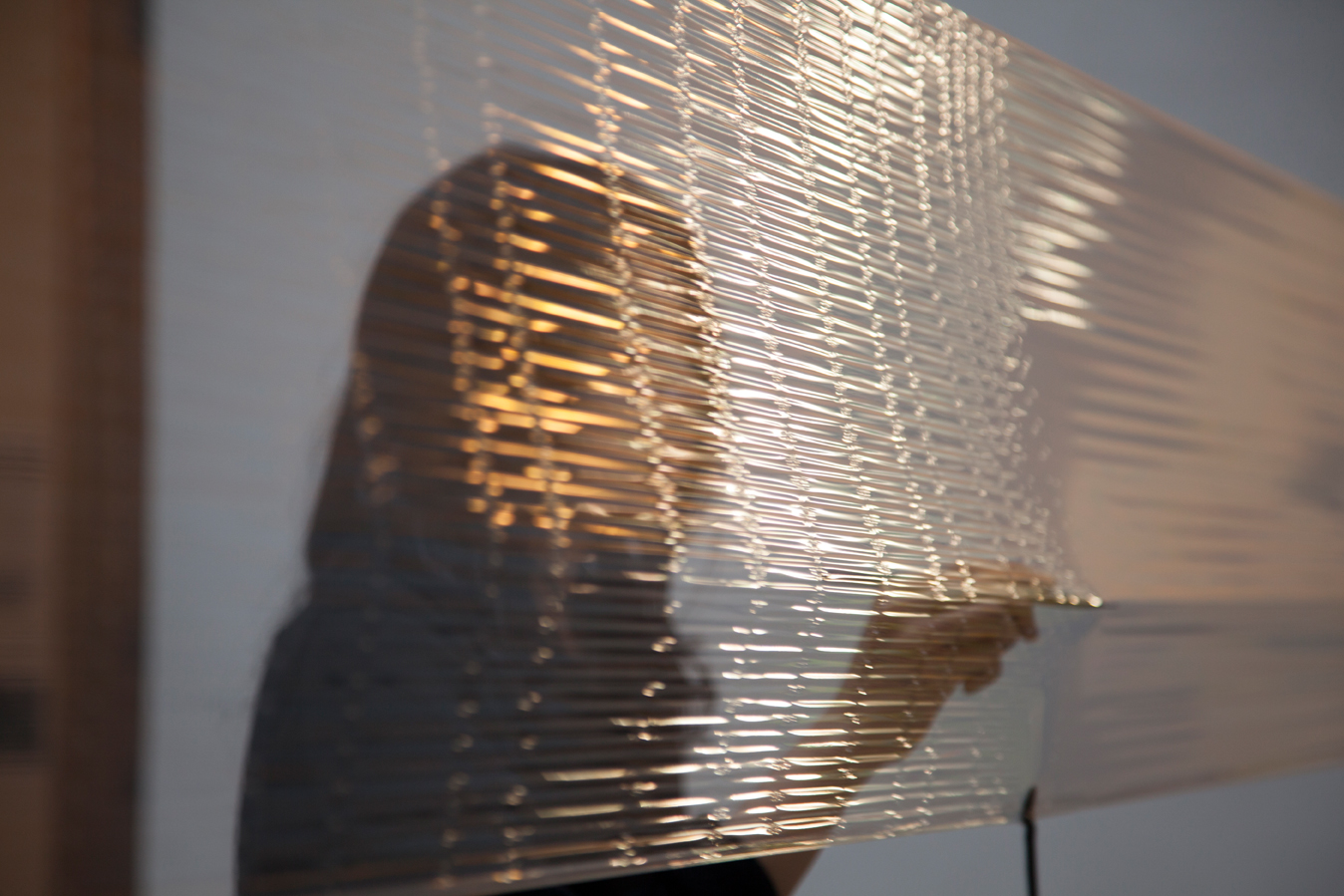
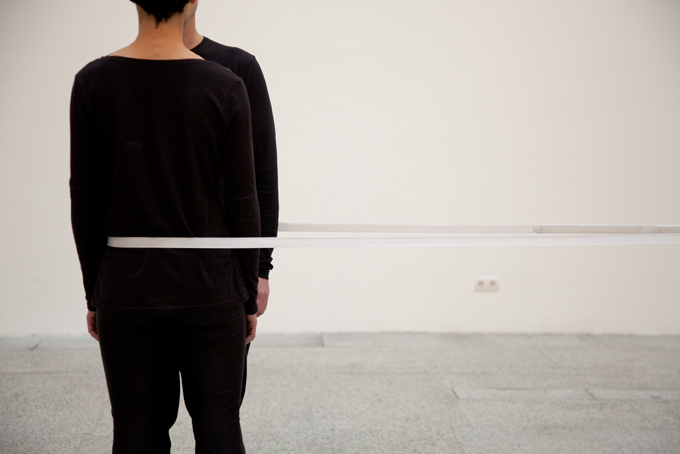
collaboration is an ongoing series of performances, that address the physical relationship between two artists, while exploring the correlation between, and potentials of:
Using limited materials, each performance focuses on simultaneous actions, and the point where these actions phase, oscillate, and/or conjoin. These actions are repetitive, consistent, clear, precise, thorough and definite. Without narrative, they leave the audience time to assess the actions and interpret or propose her/his own meaning, content and thoughts.
The remnants of these performances are intentional, and remain as visual art installations.
collaboration #14 is a new performance, to be developed by the duo while in residency in Tartu. The duration is one hour.
collaboration #14 is supported by Bundeskanzleramt Österreich and the Austrian Embassy Tallinn.
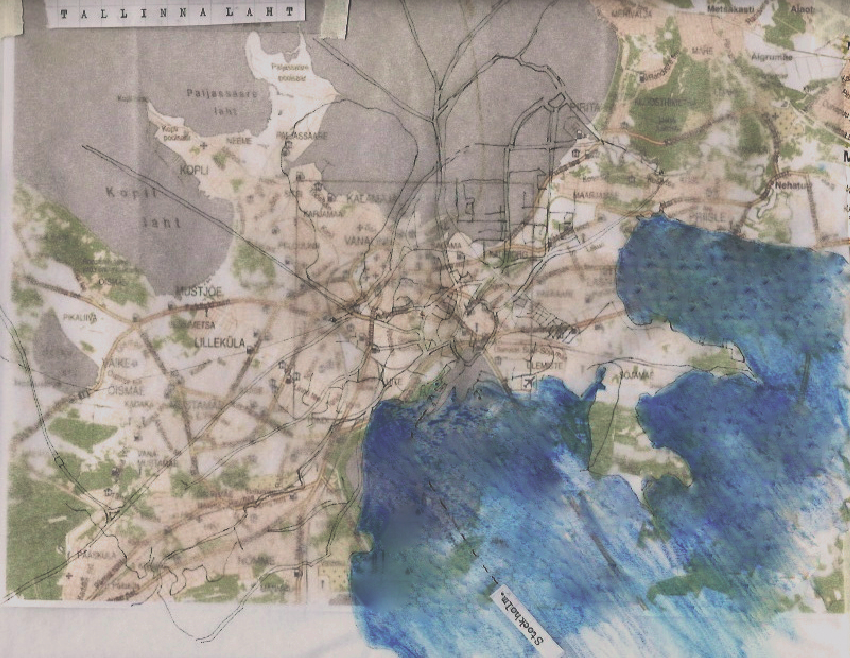
Human space workshop invites participants to collectively embark on a journey through Tallinn using an incorrect map. Together we will celebrate and document entries, exits and boundaries in our search for the edge of the landscape through a series of drawing, sound and movement led exercises. The workshop examines our physical relationship to different spacial environments and ways in which it might be documented and represented in an image, movement or sound.
The workshop is based on the combined interdisciplinary practices of Sara Evelyn-Brown and Meera Shakti Osborne, both scenographers from the UK with a visual artist background. Time, space, movement, sound, map making and journeying, are key themes within their collaborative work.
We like games and rules. Finding ways of creating work collectively, exploring winning and losing, embracing everything. The relationship between the body and the things that we make is also important and a central part of the process.
The workshop is open to all. It may be of specific interest to those working in disciplines including: scenography, performance, sound and visual art.
Schedule for each day- it is important for participants to take part in the walk in preparation for the Friday workshop.
Thursday 31st// Walk - 19.00-21.30
Friday 1st// Workshop- 10.30-17.00
What to bring/wear
1. Bring drawing materials and paper (we will also have spare materials)
2. Wear comfortable footwear & clothing that is good for moving
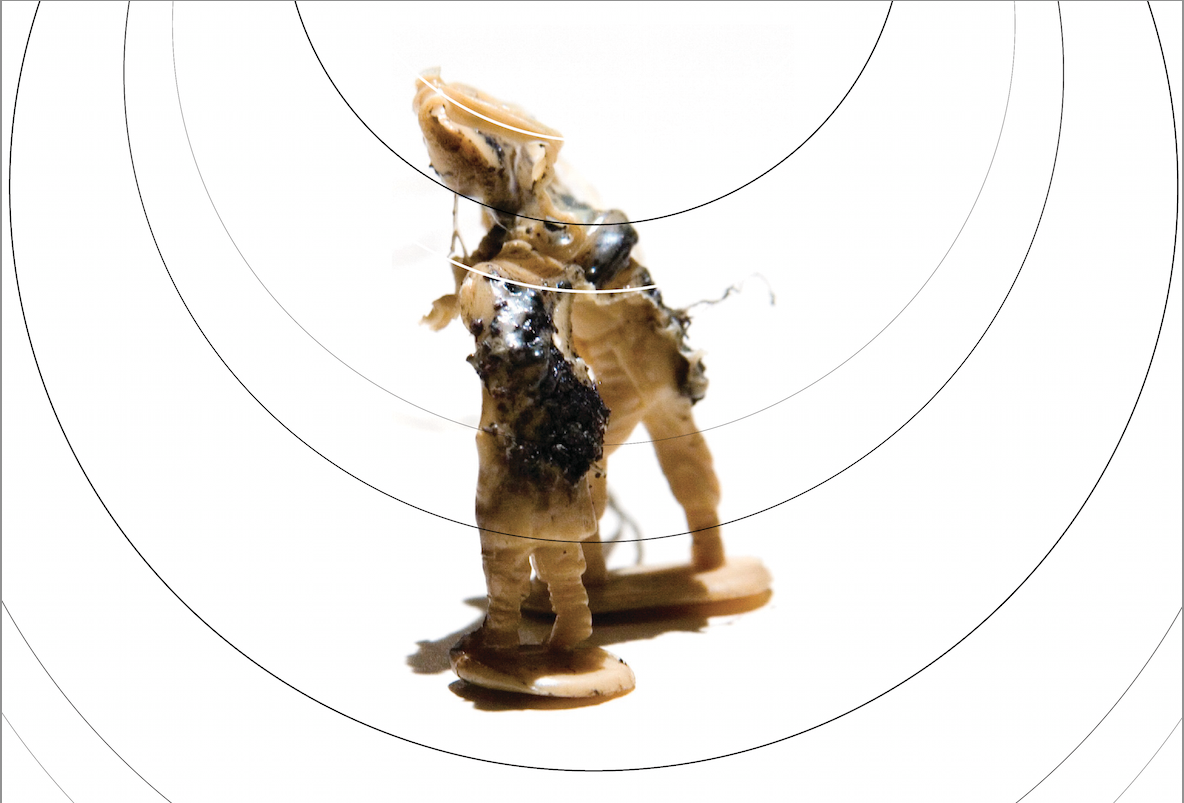
Ptarmigan welcomes Mexican sound artist and composer Mario de Vega to give a presentation of his work, before the evening Sound Room X concert at Kultuurikatla Aed. Mario's work questions the use of technologies of chaos and systems at risk of collapse. His sound goes beyond preconceptions about noise and silence. It offers a unique experience for the senses.
Mario will give a talk and presentation of his work, followed by an open forum for questions and discussion.
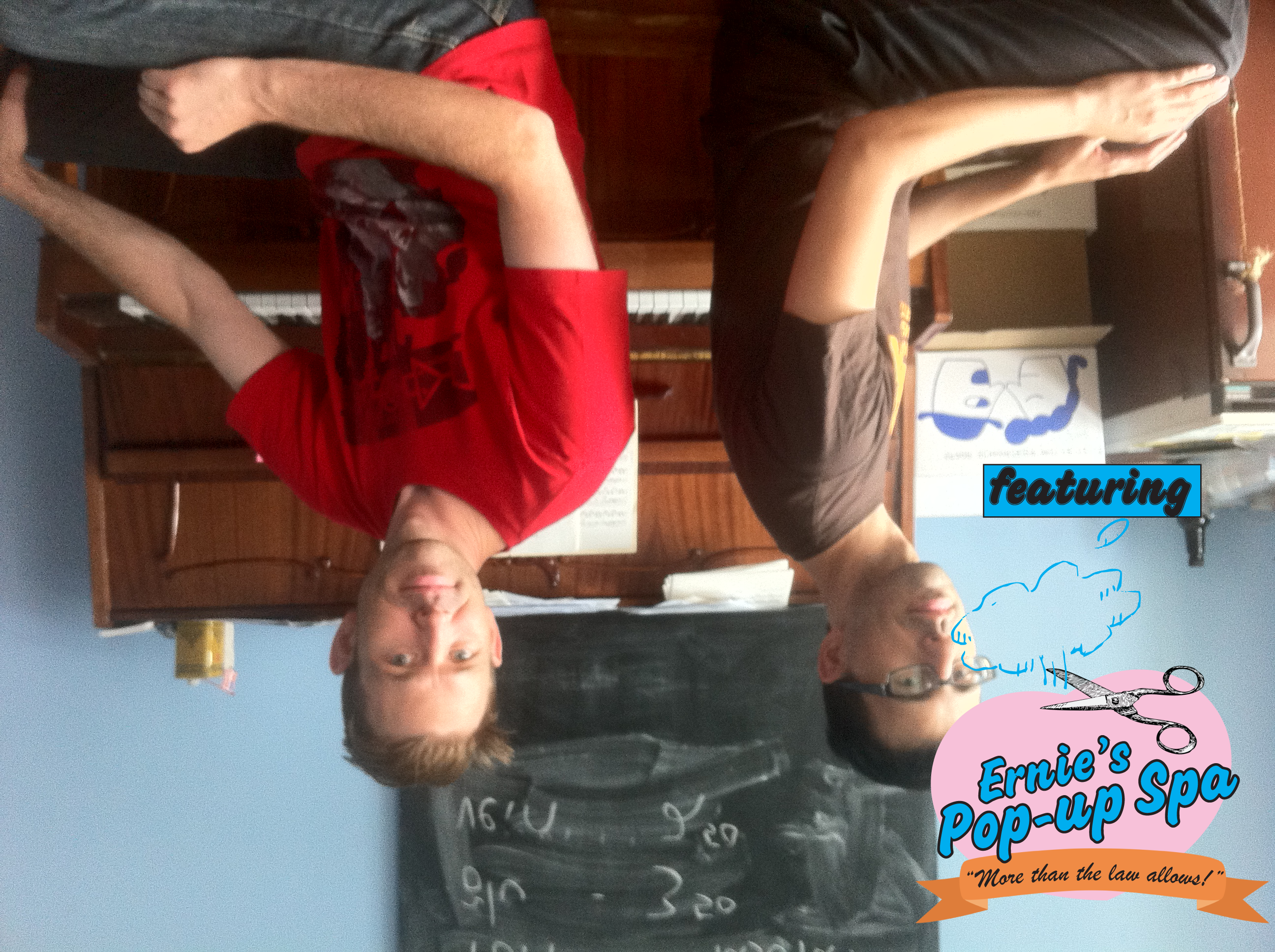
NYC-based trombonist and electronics artist Brett Sroka is at Ptarmigan for a short research-based residency and will be presenting his work in a concert. Brett will play solo and with John W. Fail in a series of thematic improvisations. The audience is encouraged to participate through movement, adding or subtracting sounds, and making their presence active rather than merely listening in silence like the typical concert of improvised music.
adešõn aren't a punk band made up of a dancer and two instrument players.
This event will also feature Ernie's Pop-Up Spa, where local artist Ernest Truely will offer fantastic hair stylings and head/shoulder massages, on stage, while the music is going on.
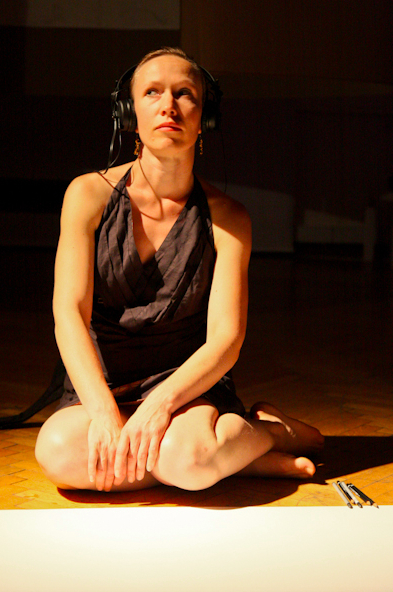
Opening Operations is a monthly series in 2014 that investigates the practical methods through which culture is produced.
Each month, a representative from a different Estonian culture organisation will present their activities as well as their operating budget and finances. The speaker will discuss a challenge or problem unique to their organisation, and the presentation will be followed by a group discussion. The goal is to share methodologies, open dialogues, and research creative alternatives to real-world problems involving money, labour, and collaboration. This project also seeks to democratise and demystify the act of "organising", proceeding from the belief that there is no right or wrong way to do things, and that different approaches breed more exciting and dynamic cultural forms.
This month's speaker is Evelyn Müürsepp. Evelyn Müürsepp-Grzinich is a visual artist and cultural coordinator based in southeast Estonia. After working as an artist-in-residence in Iceland and Finland, she co-initiated MoKS (Mooste Center for Art and Social Practice) in Mooste, Estonia. MoKS is now Estonia's longest-running artist-run initiative, starting in 2001. While coordinating activities and finding financial and mental means for running anartist-in-residence center, she also has maintained her practice as a visual artist.
Light snacks and refreshments will be served, and the discussion will be recorded and released afterwards online in podcast form.
Avatud Toimingud/Opening Operations is a project of Migrating Art Academies and is supported by the Estonian Ministry of Culture.
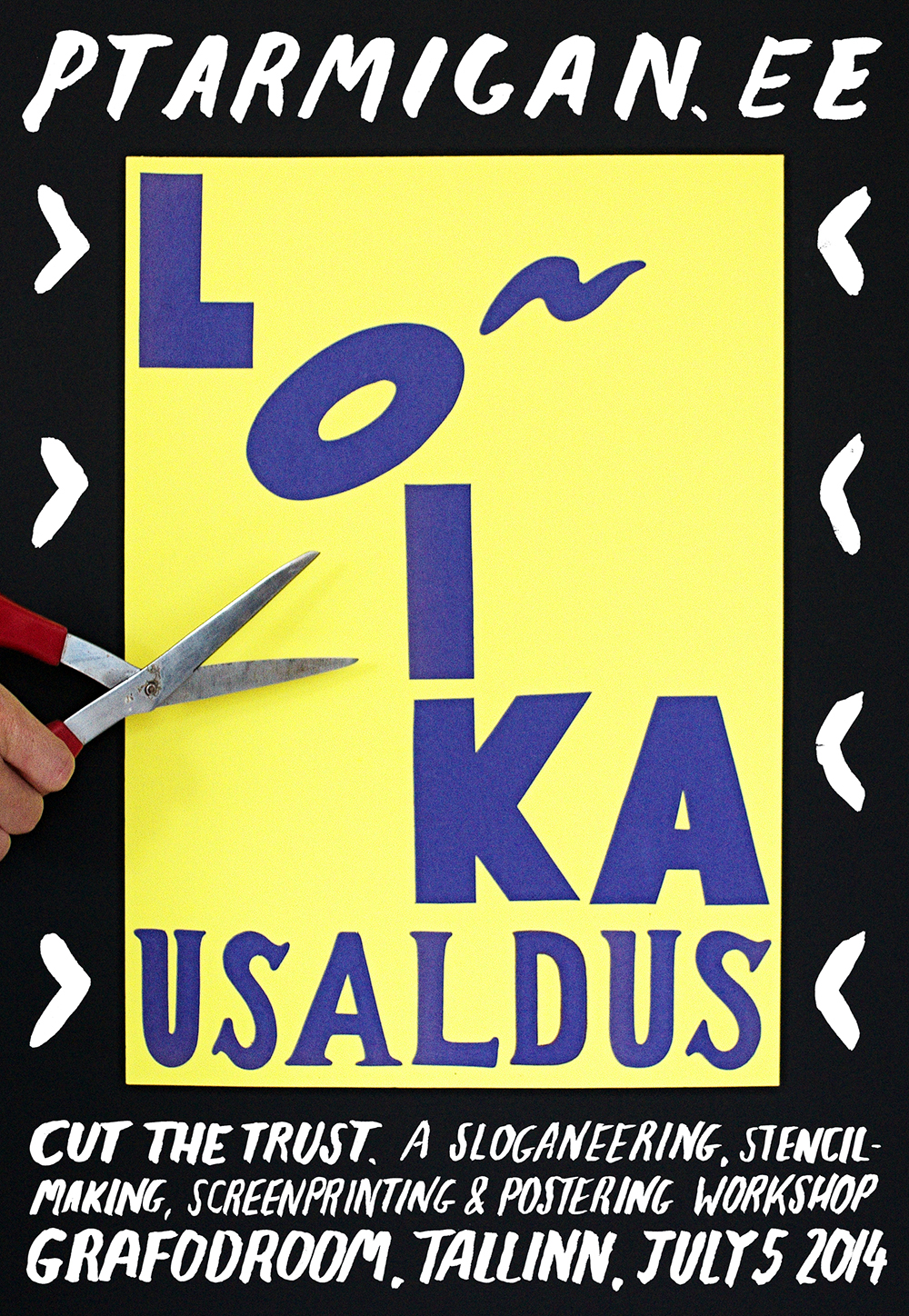
During the workshop participants will design, screen print and distribute an A2 slogan poster. The workshop will take place at the print studio Grafodroom. The slogans, random and ultimately meaningless, have been produced with random slogan generators and will be in estonian and russian languages. The emphasis will be on producing bold, simple posters using 1 to 2 colours and paper stencils for quick execution. The posters will then be pasted around Tallinn.
The workshop is supported by Kulturkontakt Nord.
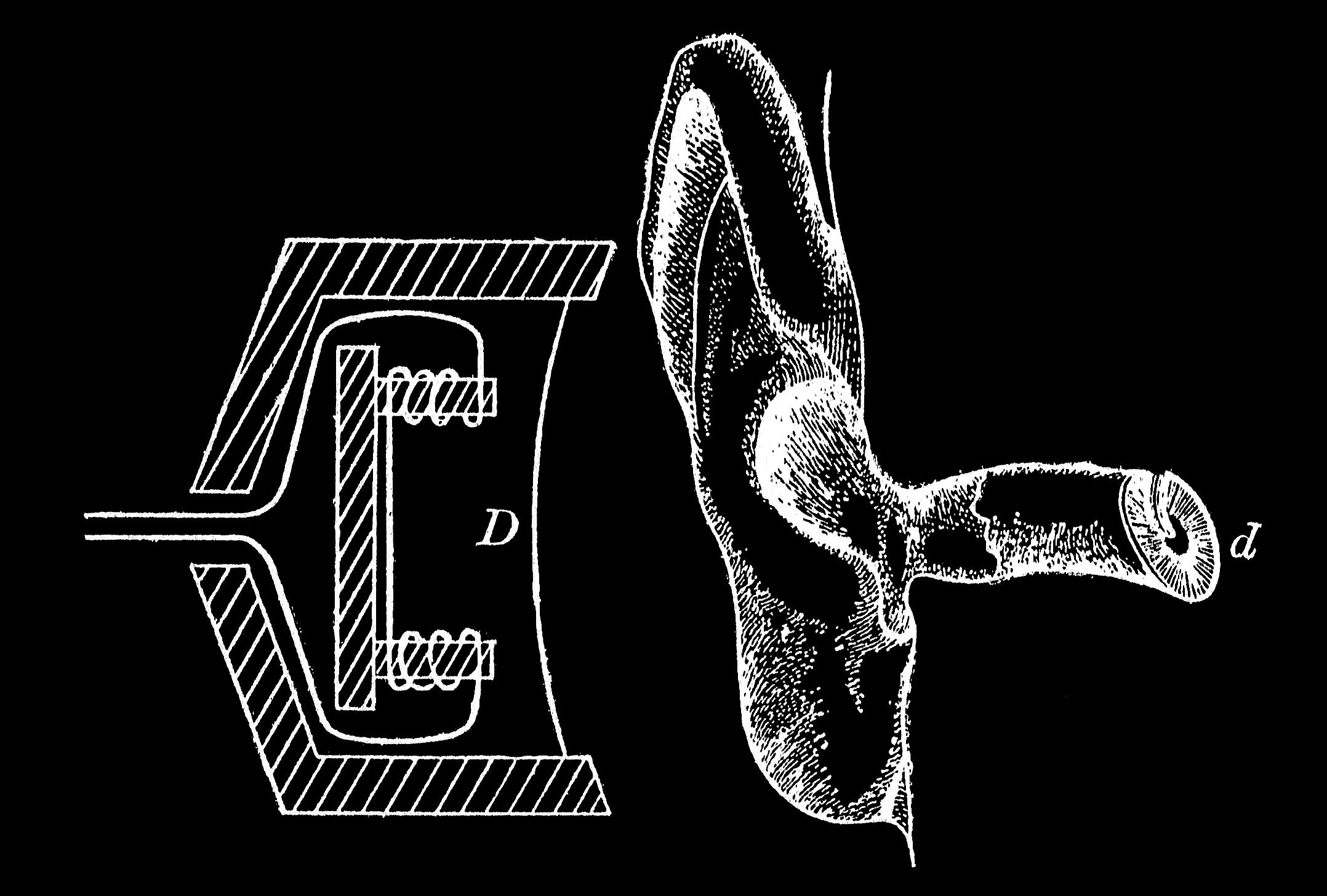
In this workshop, you will wind an electromagnetic coil with magnet wire, to be used as part of of an improvised loudspeaker along with a found-object resonator that you bring in. We will start with a short presentation on the connection between electricity and magnetism, including a practical demonstration with a makeshift electromagnetic pendulum and micro-ampere generator. The rest of the workshop is devoted to experimentation. Possible resonators: plastic containers, buckets, drums, cans, glass. Does it sound good when you tap your finger on it or speak into it? Bring it in! Bring many things, as not everything will work, hence the experimentation.
workshop philosophy:
This is a workshop for artists, taught by an artist. Artists excel at pattern recognition, obstinately persevering and intuitively understanding complex ideas, making them good candidates for learning electricity and electronics. The emphasis is therefore on developing a gut awareness of the subject matter through experimentation, pattern recognition and analogy, rather than an approach based in memorization, formulae and equations.
Peter Flemming is a Canadian artist active for over fifteen years and working with robotics, kinetics, electronics, mechanics, sound, video, performance and new media. His past work has included lazy machines, solar powered robotics, and hypnotically repetitive automata. His current ongoing projects make use of improvisational kinetics and intuitive electronics, exploring sound and resonance in installations and performances featuring electromagnetically activated materials, mechanical performers and makeshift amplification devices. His research has included the use of embedded computers (microcontrollers), motor control systems, networked artworks in remote locations, HAM, AM and FM radio, and designs for open-source hardware kits. He has exhibited extensively at galleries, festivals and museums both nationally and internationally, garnering numerous grants and awards to support both his research and creative practice.
Taking the format of a traditional game jam, this event will be an intensive development session of guessing game design.
"A guessing game has as its core a piece of information that one player knows, and the object is to coerce others into guessing that piece of information without actually divulging it in text or spoken word.” - wikipedia
During a period of 24 hours we will design the rules and framework for a face-to-face multiplayer game which involves slowly revealing hidden information in a way that allows the other player(s) to uncover it gradually, resulting in a clear moment of information and measurable game-power transference. We will be talking about methods of hinting; subtle suggestion; symbolic confession; tenuous (mis)understanding and risky communicative shots taken blindfolded. We will aim to fulfil a definition of the game format which includes clear instructions for players and which supports the outcome of a winner (or winners) and a point (or multiple points) of conclusion.
We'll begin at 3pm with an introduction over a big breakfast and keep the coffee from burning through the night as the guesswork takes shape. No game design experience necessary, though it is welcomed warmly.
If sleep is essential, we'll provide a comfortable surface upon which to drop.
A walking tour of approximately 60-90 minutes. Meet at Ptarmigan at 19:00; the group will leave at 19:15 SHARP!
In the first performance of an ongoing project, 'What we've learned while walking', Will Slater leads the audience on his attempt at a walking tour of a city that's new to him. He will attempt to find some key historical and cultural landmarks of Tallinn, but with this being an exercise in psychogeography, he will most likely miss the important locations and instead tell you of the associations that he makes bewteen this city, and his memories of other travel destinations that occupy his mind.
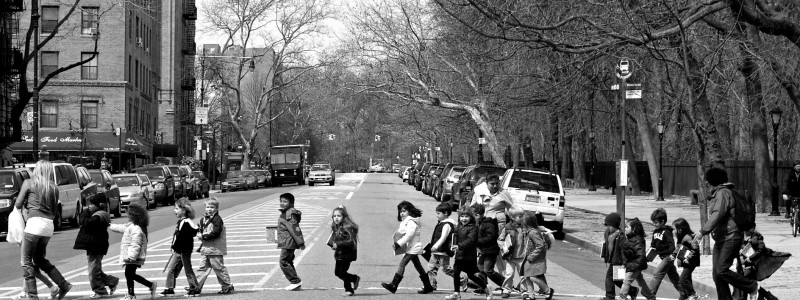
Starts at Ptarmigan at 19:30; the group will leave at 19:45 SHARP!
A short, led walk on a devised route, moving through spaces around the area of Ptarmigan, led by artist-in-residence Nikki Kane.
This walk seeks to consider the effects of the conditions of space and of ‘participation’ on movement, perception and thought. By creating opportunity for both individual and collective experience, its form aims to open out awareness of details in our surroundings that may usually be overlooked.

A gathering of people and of information or ideas found on the internet and shared in person - a chance to share an article, video or anything else with a real person rather than a click of mouse, and to see what happens when we look at them as a group.
As part of an ongoing consideration into the form of Literary & Philosophical societies and libraries, and into structures of sharing, finding, organising and ordering knowledge or information, you are invited to add to reading list, (click to) share. In order to explore these in terms of the analogue, physical forms they have taken historically, and in contemporary digital spaces, we will bring knowledge that we have discovered, gathered or shared on online platforms to a physical meeting for lively, real-life pondering and conversation, hopefully thinking a bit about roles of collective learning and working along the way.
Bring something! Anything you've stumbled on or shared online, opened in a new tab, or saved for later - articles, videos, sound clips, whole websites. Bring it along in any form (on a laptop, printed out, scribbled notes, vague memory...) and let's see what happens we share them in the real world.
Opening Operations is a monthly series in 2014 that investigates the practical methods through which culture is produced.
Each month, a representative from a different Estonian culture organisation will present their activities as well as their operating budget and finances. The speaker will discuss a challenge or problem unique to their organisation, and the presentation will be followed by a group discussion. The goal is to share methodologies, open dialogues, and research creative alternatives to real-world problems involving money, labour, and collaboration. This project also seeks to democratise and demystify the act of "organising", proceeding from the belief that there is no right or wrong way to do things, and that different approaches breed more exciting and dynamic cultural forms.
This month's speaker is Priit Raud. Priit is the artistic director of the Baltoscandal festival, one of the first international theatre festivals in Baltic States, held in Rakvere, Estonia. He is also responsible for setting up the 2.tans organization, originally created to spread information about what was happening in the dance scene, and now a production and receiving office which provides touring management for most of Estonia’s independent choreographers and dancers. His venue Kanuti Gildi Saal at the time of its inception was the only one for alternative theater in the country. He is responsible for kick starting the contemporary dance and theater scene in Estonia, and is arguably the main organizer, catalyst and publicist for the art form in Estonia.
Light snacks and refreshments will be served, and the discussion will be recorded and released afterwards online in podcast form.
Avatud Toimingud/Opening Operations is a project of Migrating Art Academies and is supported by the Estonian Ministry of Culture.